Fertility & Lifestyle
Your lifestyle isn't just affecting your health. It's affecting the health of the child you're trying to have.
This is the conversation nobody is having.
When couples come to fertility appointments, they're asked about their cycles, their hormones, their history. Occasionally they're told to stop smoking and cut down on alcohol.
But the full picture of what lifestyle is doing to your fertility — and to the biological material you're passing on to your child — is rarely explained.
And it should be.
The good news? Most of it is changeable. And within Fertility-Fit, we help you work out exactly what's worth changing — and how.

Alcohol — and why it matters for both of you
Most women trying to conceive already know alcohol isn't ideal. What's less widely known is what it actually does — and what it does to him.
For women, alcohol disrupts ovulation, alters hormone levels, and increases miscarriage risk. Even moderate consumption has been associated with reduced chances of conception.¹
For men — and this is the part almost nobody mentions — a large-scale study of over 529,000 couples found that fathers who drank before conception had a 35% increased risk of having a baby with a birth defect.² A 2022 study found that children of fathers who drank regularly before conception had higher rates of behavioural problems — including anxiety and attention difficulties — linked to epigenetic changes in sperm DNA.³
Epigenetics means that alcohol doesn't just affect sperm quality. It can change how sperm DNA is read — and those changes can be passed on at conception.
The 74-day sperm development cycle means what he drinks today is shaping the sperm available in two and a half months. Most men have never been told this. Now you both know.
The phew bit: This is exactly the kind of conversation we have within Fertility-Fit — with both of you, without judgement, and with practical guidance on what actually makes a difference. You don't have to figure this out alone.
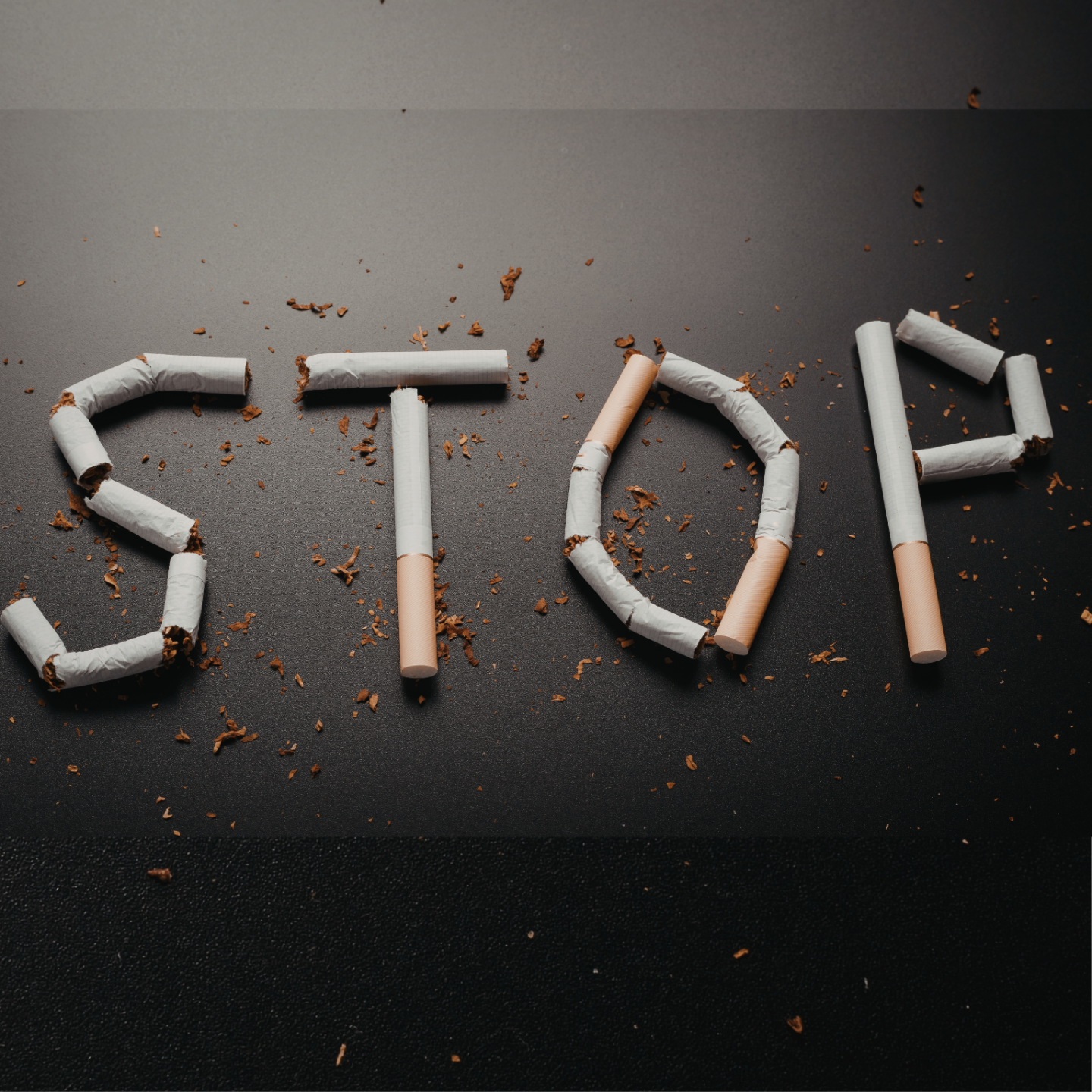
Smoking, vaping, and cannabis — the damage goes deeper than you think
These three get bundled together because the mechanism is similar: all three damage sperm DNA, all three affect female fertility, and all three carry epigenetic risks that go beyond whether you conceive.
The American Society for Reproductive Medicine confirmed in their 2024 guidance that both tobacco and cannabis negatively affect ovarian function, sperm parameters, gamete DNA integrity, and IVF outcomes.⁴ Vaping is not a safe alternative — the nicotine delivery is identical and the chemical load includes known reproductive toxins.
For cannabis specifically — the evidence is growing and men need to hear it. Research from Duke University found that THC alters the genetic profile of sperm, triggering structural changes in sperm DNA. A primate study found that chronic THC exposure altered sperm DNA methylation in genes linked to nervous system development — and these changes were only partially reversed after four months of stopping.⁵
In plain English: cannabis use before conception may be leaving a mark on sperm DNA that influences how a child's brain develops. That is a risk most men have never been told about. And it's one that's entirely within their control.
The phew bit: Stopping — or significantly reducing — is one of the most impactful things either of you can do in the preconception window. Within Fertility-Fit we help you understand your personal picture and prioritise what matters most, so you're not just guessing.
Microplastics and endocrine disruptors — the invisible load
This one is harder because it's not entirely in your control. But understanding it changes the choices you make.
Microplastics are now found in drinking water, food packaging, takeaway cups — and in human reproductive tissue. A 2024 study found microplastics present in every human testicular sample examined. A review published in Human Reproduction found that microplastic exposure is associated with reduced testosterone, progesterone, oestrogen, FSH, and LH — the hormones that govern ovulation, sperm production, and early pregnancy.⁶
The chemicals that leach from plastics — phthalates and bisphenols — are endocrine disruptors. They mimic or block your hormones. And they're in more places than most people realise.
You can't eliminate exposure entirely. But you can reduce the load meaningfully — and that reduction matters.
The phew bit: Within Fertility-Fit we give you a simple, practical picture of where your biggest exposures are likely to be — and the small, realistic swaps that collectively make a genuine difference. No overwhelm. Just a clear plan.
What we do within Fertility-Fit
We don't lecture. We inform.
We look at your lifestyle picture — for both of you — and give you honest, practical guidance on the changes that will make the most difference. Not everything at once. A clear, prioritised plan built around your actual life.
Because the goal isn't perfection. It's progress — in the right direction, at the right pace, for both of you.
Every choice you make in the preconception window is a decision about the biological environment your child will begin in. That's not pressure. That's power.
Want to understand what your lifestyle picture looks like for both of you? Book your Fertility Strategy Call and we'll look at the full picture together.
Nutrition
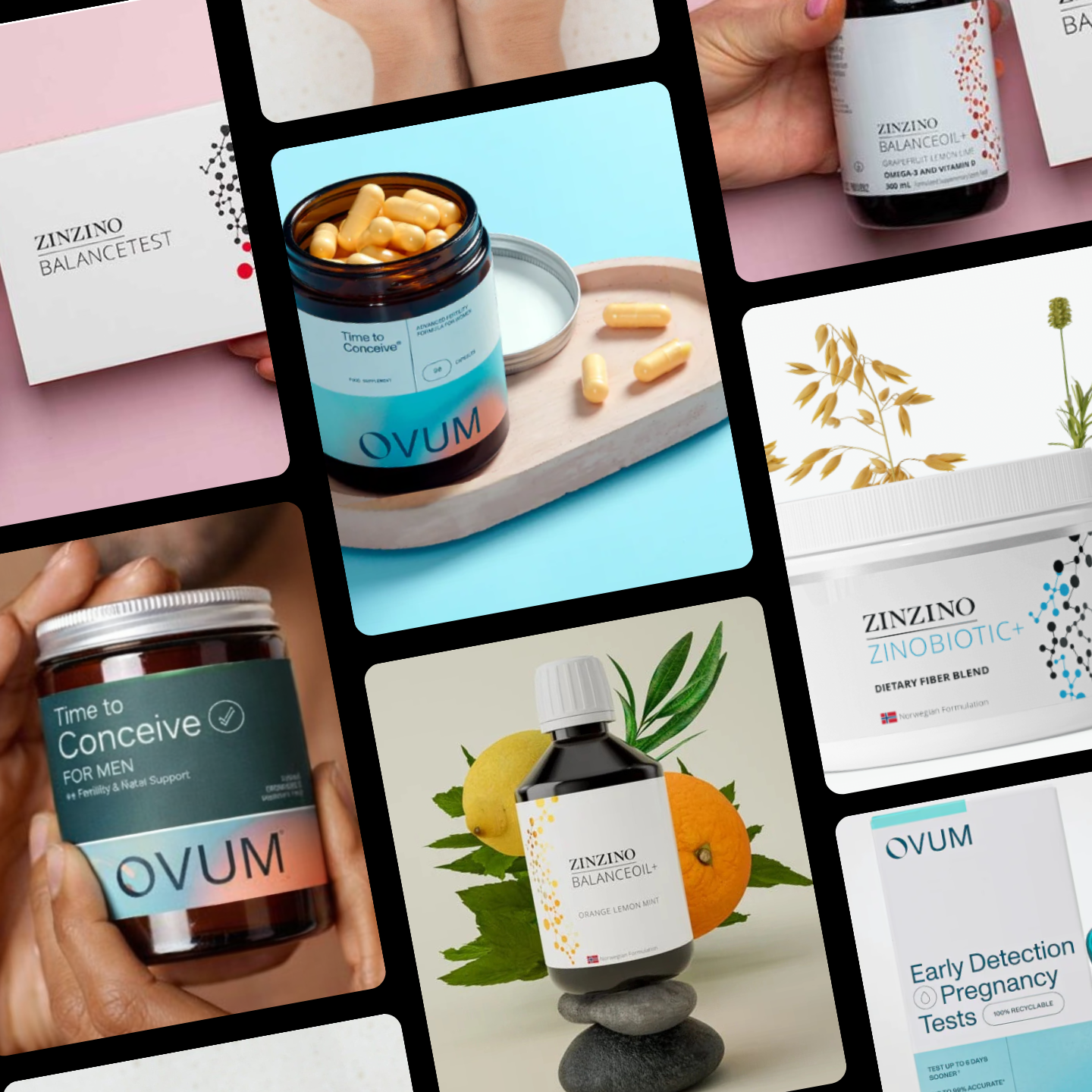
Supplements